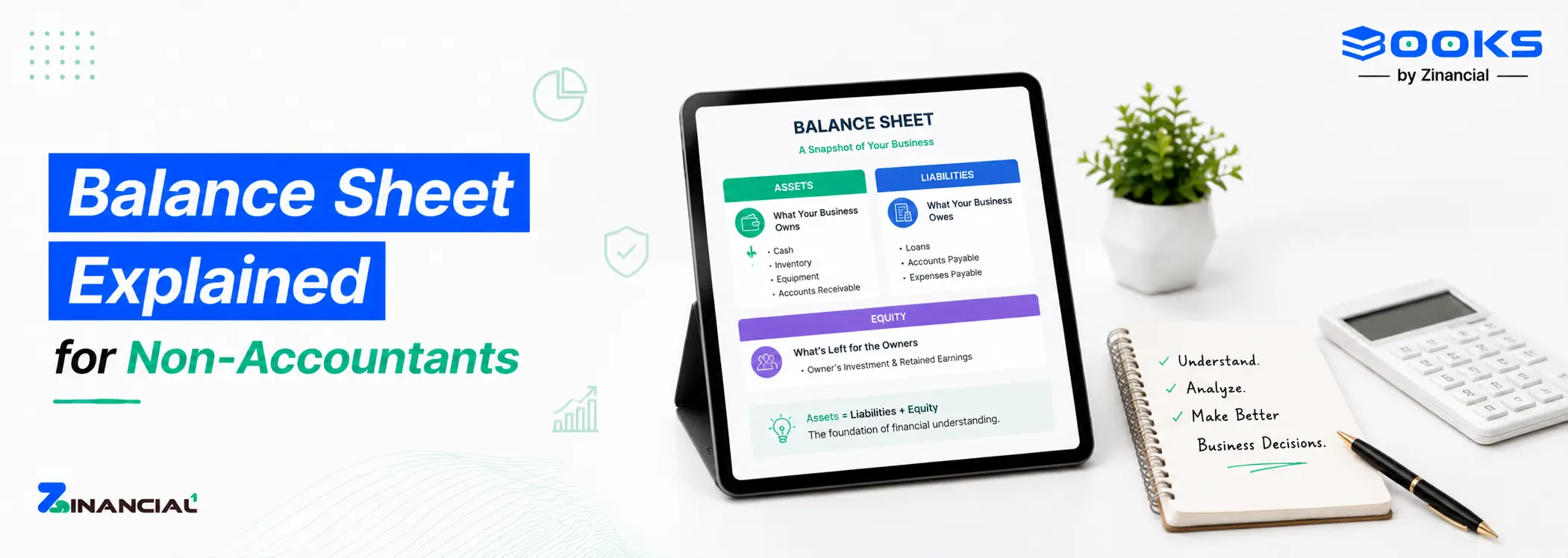
Reading a balance sheet gets a lot easier if you skip straight to relationships instead of scanning every line item first.
Step 1: Check liquidity. Divide current assets by current liabilities. This is called the current ratio. A result above 1 generally means the company can cover what it owes in the next twelve months. A quick ratio, which strips inventory out of current assets, is a stricter version of the same test.
Step 2: Check leverage. Divide total liabilities by equity. This is the debt-to-equity ratio, and a higher number means the company is leaning more heavily on borrowed money than owner investment.
Step 3: Look at trends. Pull the last two or three years and watch how assets, liabilities, and equity move relative to each other. A single balance sheet tells you where a company stands. Several in a row tell you where it’s headed.
Step 4: Cross-check against the income statement. A balance sheet and income statement read together give a fuller picture than either does alone. The income statement shows whether the company made money over a period. The balance sheet shows what happened to that money: did it turn into cash, get reinvested in equipment, or go toward paying down debt.
This is the point where analyzing balance sheet data stops being a checklist and starts being useful for actual decisions, whether that’s approving a loan, negotiating an investment, or just understanding your own company’s position.