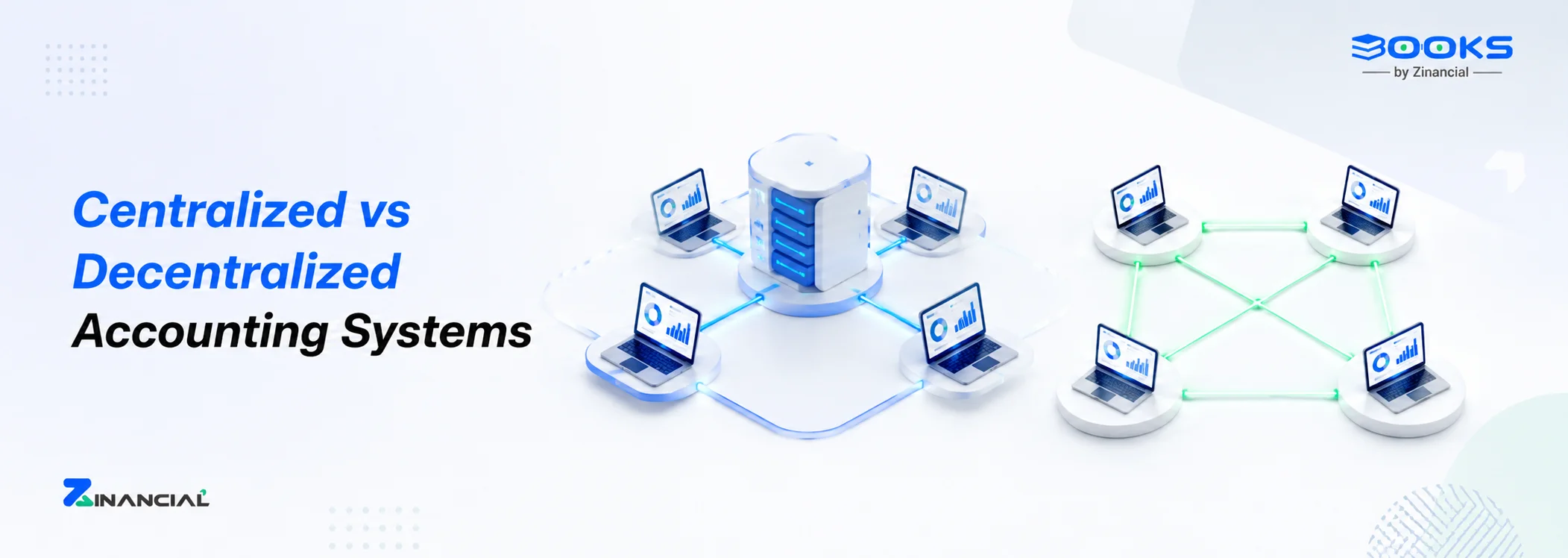
Choosing the right finance structure requires looking beyond basic operational preferences. Several factors determine whether centralized accounting or decentralized accounting works better for your business.
Company size and complexity
Smaller companies often benefit from centralized accounting. One team can manage finances efficiently without duplicating resources.
Large enterprises with multiple locations may require decentralized accounting to keep operations moving quickly.
Geographic distribution
Companies operating across many regions need faster financial decisions at the local level. A decentralized model helps regional teams respond to market conditions.
Governance and compliance requirements
Organizations in regulated industries often prioritize strong internal oversight. Centralized structures simplify compliance and audit preparation.
Technology and system integration
Modern accounting systems can support both centralized and distributed teams. Cloud platforms allow data consolidation even when teams operate in different locations.
Many companies now adopt hybrid models that combine centralized reporting with decentralized operations. This approach balances oversight with flexibility.
A Deloitte CFO Signals survey found that 50% of CFOs say digital transformation of the finance function is their top priority, with automation and technology driving efficiency improvements.
When Each Accounting System Works Best