
28 Jan, 2026Accounting
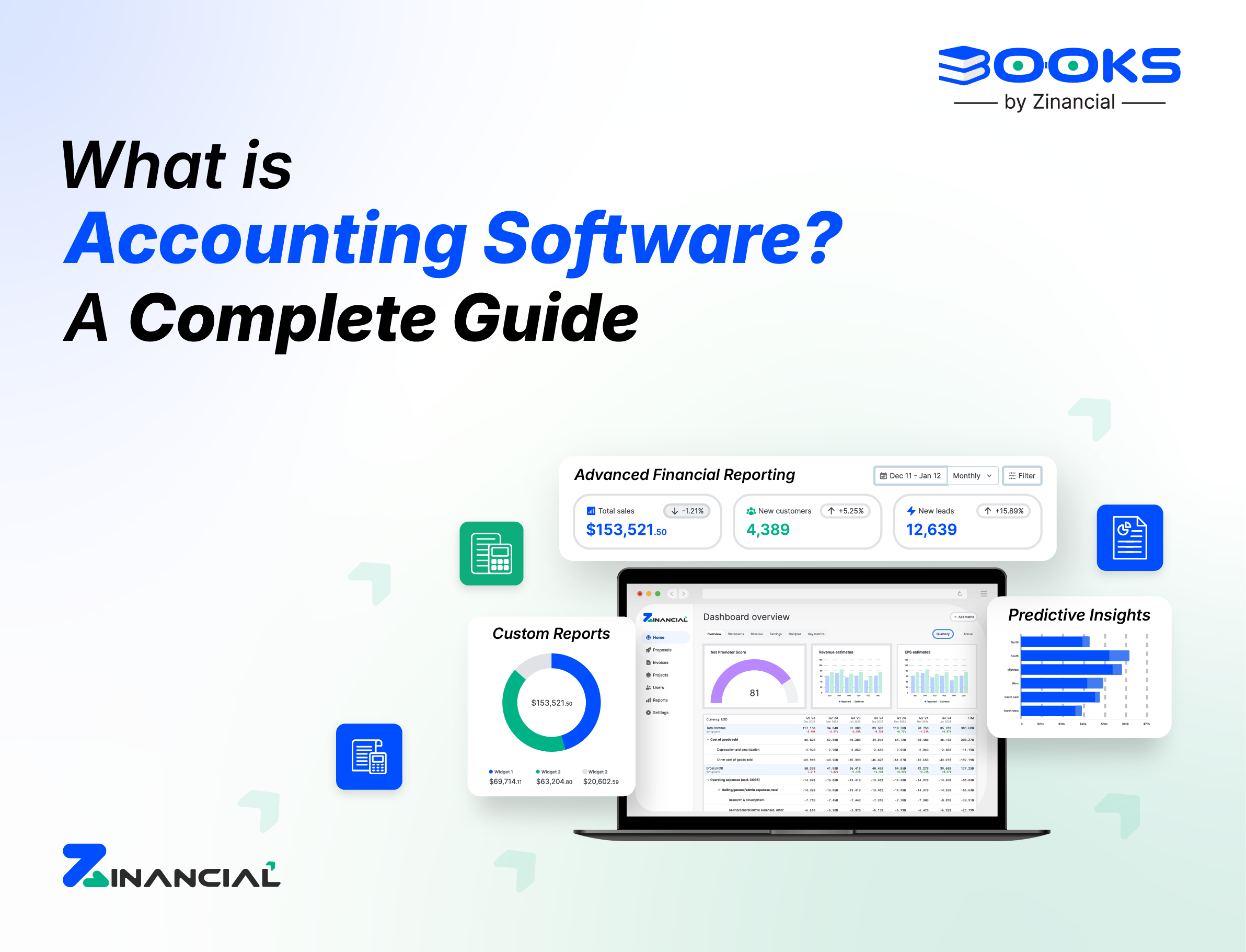
What Is Accounting Software? A Complete Guide for Businesses
Running a business means tracking money, payments, expenses, and taxes. Doing this manually often leads to delays, missed entries, and reporting gaps.
Read More...

This should save you ~10 minutes of reading

Startup accounting helps founders track income, expenses, and cash flow, providing a clear picture of financial health and supporting better business decisions.
Understanding accounting basics helps startups manage budgets, prepare for investor discussions, and avoid unexpected cash shortages.
Founders should understand the three core financial elements: assets (what the business owns), liabilities (what it owes), and equity (owner value after debts).
Many startups fail not because their product is not good, but because finances were not handled carefully. Understanding accounting basics for founders helps you:
Here is a real-world scenario: a founder assumed the business was profitable, but delayed invoicing meant clients were not paying on time. Cash ran short before the next funding round, forcing emergency borrowing. On the other hand, founders who track revenue and expenses weekly can spot these warning signs early and take action.
Startups operate with limited resources. Small missteps in finance can multiply quicklyBy learning accounting basics for startup founders, you gain a clear picture of your financial situation. That clarity helps you make faster, smarter decisions and protect your business from avoidable risks.
Even if you do not enjoy numbers, understanding these core concepts gives you a practical handle on your startup's health.
Assets, Liabilities, and Equity
| Category | Examples | Why It Matters |
|---|---|---|
| Assets | Cash, office equipment, inventory | Shows what resources are available |
| Liabilities | Loans, unpaid invoices | Reveals financial obligations |
| Equity | Owner investments, retained profits | Indicates remaining value after debts |
Your balance sheet connects these three. Think of it as a dashboard showing what your startup owns, owes, and controls.
Understanding these numbers lets you answer crucial questions: Can I pay my bills this month? Can I afford to hire a new team member? How much of the business is funded by debt versus owner investment?
Revenue and Expenses
Revenue is money coming in; expenses are money going out. Regular tracking ensures you know whether your business is actually earning.
Example: Your subscription service brings in $10,000 monthly, but operating expenses are $12,000. If you track this, you can cut non-essential costs or adjust pricing before running short on cash.
Cash Flow Management
Profit on paper does not always mean money in your bank. Cash flow management ensures that you have funds to pay your team, suppliers, and rent on time.
Even profitable startups can fail if cash is not managed. This is why cash flow tracking is the single most critical accounting skill for founders.
A structured system keeps errors low and saves time in the long run. Here is a step-by-step approach:
Startup Accounting Checklist
Example: One founder initially used spreadsheets for invoices, which led to missed payments. Switching to an automated system reduced errors, ensured timely billing, and improved cash flow.
Even experienced founders fall into predictable traps:
How to Avoid Them
Avoiding these mistakes early prevents unnecessary costs, wasted time, and sudden financial surprises.
Practical Tips for Small Business Accounting
Small, consistent accounting actions now prevent financial bottlenecks as your business scales:
Example: A SaaS startup avoided a funding delay because records were well-maintained and ready for investor review. Early attention to structured accounting made the difference.
Strong accounting habits today make tomorrow more predictable. Start by setting up your startup accounting system, tracking revenue and expenses, and following your startup accounting checklist. Clear, organized records help you make decisions faster, respond to financial challenges, and plan growth steps effectively.
Accounting is not just record-keeping; it is your operational map. The earlier you implement robust practices, the sooner you can identify opportunities, prevent setbacks, and guide your startup toward stability and growth.
Common questions about startup accounting and automation, answered clearly.
Startup accounting is the system used to track income, expenses, assets, and cash so founders always know where the business stands financially.
When transactions become recurring or reporting starts taking manual effort, spreadsheets stop being reliable.
Zinancial automates bookkeeping, organizes financial data, and gives founders clear visibility into cash flow and performance.
Yes. Zinancial Books keeps financial records structured, reconciled, and ready for investor review at any stage.
Monthly reviews are essential. Cash flow should be monitored more frequently during active growth periods.
Yes. Zinancial Books helps founders set up clean accounting systems before complexity increases.
Zinancial Books supports both, allowing founders to choose based on their startup’s stage and reporting needs.
Zinancial Books generates balance sheets, P&L statements, cash flow reports, and transaction summaries.
Automation, standardized categories, and regular reconciliation reduce manual mistakes and missing entries.
Yes. Zinancial Books is built to handle higher transaction volumes and more detailed reporting as the business expands.
See how Zinancial Books fits your workflows, team size, and growth plans.



Zinancial is built by professionals who understand accounting challenges, modern software, and especially what growing businesses need.